
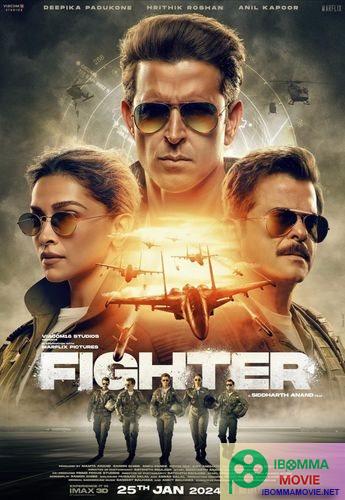
Fighter iBOMMA is a high-octane aerial action drama that successfully combines large-scale cinematic spectacle with emotionally grounded storytelling, creating an experience that feels both grand and intimate at the same time. For viewers searching for Fighter iBOMMA, Fighter review, or exploring visually rich action films on iBOMMA, this movie stands out as a compelling blend of patriotism, character-driven narrative, and cutting-edge visual effects. Directed by Siddharth Anand and headlined by Hrithik Roshan, Deepika Padukone, and Anil Kapoor, Fighter does not merely aim to entertain but also seeks to immerse the audience in the emotional and psychological world of air force pilots who live on the edge of danger.
What elevates Fighter beyond a conventional action film is its ability to humanize its characters while simultaneously delivering breathtaking aerial combat sequences that rival international productions. The film carefully balances its spectacle with moments of vulnerability, allowing the audience to understand the fears, motivations, and personal struggles of those who dedicate their lives to protecting the nation. Whether discovered through Fighter iBOMMA or while browsing iBOMMA, the film offers a cinematic experience that is both thrilling and emotionally resonant, ensuring that it leaves a lasting impression long after the credits roll.
| Movie | Fighter |
| Language | Hindi |
| Screen | Theatrical Release |
| Release Date | 2024 |
| Star Cast | Hrithik Roshan, Deepika Padukone, Anil Kapoor |
| Genres | Action, Drama, War |
| Director | Siddharth Anand |
| Writer | Siddharth Anand |
| Producer | Siddharth Anand |
| Music | Vishal-Shekhar |
| Cinematographer | Satchith Paulose |
| Editor | Aarif Sheikh |
| Country | India |
Plot
Fighter unfolds as a layered narrative that follows an elite squadron of Indian Air Force pilots who are assembled to counter a growing threat that jeopardizes national security, yet the film does not limit itself to a straightforward mission-based structure and instead weaves together personal histories, emotional conflicts, and the psychological burdens that come with a life defined by duty and sacrifice. At the center of the story is a highly skilled yet emotionally guarded pilot whose past experiences have left a lasting impact on his worldview, shaping both his strengths and his vulnerabilities as he navigates the complexities of leadership, loyalty, and personal loss.
As the narrative progresses, the film gradually reveals the interpersonal dynamics within the team, highlighting the bonds that develop between individuals who must rely on each other in life-threatening situations, while also exploring the tensions that arise from differing perspectives and unresolved emotional baggage. The missions themselves are not merely action set pieces but serve as catalysts that drive character development, forcing each member of the squadron to confront their fears and limitations in ways that feel authentic and compelling.
The storytelling maintains a careful balance between large-scale aerial combat and intimate character moments, ensuring that the audience remains emotionally invested even as the stakes continue to escalate, and this duality allows the film to build toward a climax that feels both exhilarating and emotionally satisfying without relying on excessive melodrama or predictable narrative shortcuts.
For viewers discovering the film through Fighter iBOMMA or exploring content on iBOMMA, the plot offers a richly textured experience that goes beyond conventional action storytelling and delivers a narrative that is as emotionally engaging as it is visually spectacular.
Performance
Hrithik Roshan delivers a performance that is both commanding and nuanced, portraying his character with a level of intensity that captures the internal conflicts of a man who is constantly balancing his professional responsibilities with his personal struggles, and his ability to convey vulnerability beneath a composed exterior adds significant depth to the role, making the character feel fully realized rather than archetypal. His screen presence anchors the film, and his performance evolves organically as the narrative unfolds, reflecting the emotional journey of the character in a way that feels both natural and compelling.
Deepika Padukone complements this dynamic with a performance that is equally strong and layered, bringing a sense of determination and emotional intelligence to her role, and her portrayal of a skilled pilot who must navigate both professional challenges and personal complexities adds a meaningful dimension to the story, allowing her character to stand out as more than just a supporting figure within the narrative. The chemistry between the lead actors enhances the emotional resonance of the film, creating moments that feel genuine and impactful.
Anil Kapoor, with his authoritative presence and understated performance, serves as the backbone of the team, portraying a mentor figure whose experience and leadership provide stability amid chaos, and his performance adds gravitas to the film, grounding the narrative in a sense of realism that strengthens its overall impact. Together, the cast delivers performances that elevate the material, ensuring that the film resonates on an emotional level as well as a visual one.
Direction and Screenplay
Siddharth Anand approaches Fighter with a clear vision that prioritizes both spectacle and substance, and his direction reflects a deep understanding of how to balance large-scale action with character-driven storytelling, resulting in a film that feels cohesive despite its ambitious scope. The screenplay is structured in a way that allows the narrative to unfold gradually, giving each character the space to develop while maintaining a steady momentum that keeps the audience engaged from beginning to end.
Rather than relying solely on visual grandeur, the film uses its action sequences as an extension of its storytelling, ensuring that each moment serves a narrative purpose and contributes to the overall emotional arc, and this approach helps to create a sense of continuity that enhances the viewing experience. The pacing is carefully calibrated, allowing for moments of reflection between high-intensity sequences, which prevents the film from becoming overwhelming and instead creates a rhythm that feels both dynamic and balanced.
The cinematography plays a crucial role in bringing the director’s vision to life, capturing the scale and intensity of aerial combat with remarkable precision while also highlighting the emotional nuances of the characters through more intimate visual compositions, and this combination of technical excellence and narrative sensitivity results in a film that is visually striking without losing its emotional core.
For audiences exploring Fighter iBOMMA, the direction and screenplay offer a cinematic experience that is both immersive and thoughtfully constructed, demonstrating a commitment to storytelling that goes beyond surface-level entertainment.
Music
The music in Fighter functions as an integral component of the film’s emotional and narrative framework, with the soundtrack and background score working in harmony to enhance both the intensity of the action sequences and the depth of the more introspective moments, and the compositions by Vishal-Shekhar effectively capture the dual nature of the film, blending high-energy tracks with more subdued, emotionally resonant pieces that reflect the inner lives of the characters.
The background score, in particular, plays a significant role in shaping the audience’s experience, as it amplifies the tension during critical moments while also providing a subtle emotional undercurrent that supports the storytelling without overshadowing it, and this careful balance ensures that the music enhances rather than distracts from the narrative. The integration of songs into the film feels organic, contributing to the overall flow rather than interrupting it, which is essential for maintaining the film’s immersive quality.
For viewers engaging with Fighter iBOMMA or browsing iBOMMA, the music adds an additional layer of depth to the cinematic experience, reinforcing the emotional impact of the story while complementing its visual spectacle.
Theme
Fighter explores themes of patriotism, sacrifice, and the psychological toll of duty in a way that feels both authentic and thought-provoking, and rather than presenting these ideas in a simplistic or one-dimensional manner, the film delves into the complexities of what it means to serve one’s country, highlighting the personal costs that often accompany such a commitment. The narrative emphasizes the importance of resilience and teamwork, illustrating how individuals must come together to overcome challenges that would be insurmountable alone.
At the same time, the film examines the emotional struggles faced by those in high-pressure roles, shedding light on the impact of loss, trauma, and the constant awareness of danger, and this exploration adds a layer of depth that elevates the film beyond a standard action drama, making it resonate on a more profound level. The relationships between the characters serve as a focal point for these themes, providing a human perspective that grounds the story in reality.
For audiences discovering the film through platforms like iBOMMA, these themes contribute to a richer and more meaningful viewing experience, encouraging reflection while still delivering the excitement and intensity expected from the genre.
Conclusion
Fighter ultimately succeeds in delivering a cinematic experience that is both visually spectacular and emotionally engaging, combining strong performances, thoughtful direction, and compelling storytelling to create a film that stands out within the action genre, and its ability to balance large-scale spectacle with intimate character moments ensures that it resonates with a wide audience while maintaining a sense of authenticity and depth.
For those searching for Fighter iBOMMA, the film offers a comprehensive viewing experience that goes beyond conventional action entertainment, providing a narrative that is as emotionally impactful as it is visually impressive, and this combination of elements makes it a memorable addition to contemporary cinema.
In the end, Fighter is not just a film about aerial combat or national pride, but a story about the people who live and breathe these realities, and it is this human element that gives the film its lasting power and significance.