
Brahmastra iBOMMA is an ambitious fantasy epic that attempts to redefine Indian cinema by blending mythology, romance, and modern visual spectacle into a single cinematic universe. For audiences searching for Brahmastra iBOMMA, Brahmastra review, or exploring visually grand films on iBOMMA, this movie offers a unique experience that is as imaginative as it is polarizing. Directed by Ayan Mukerji and starring Ranbir Kapoor and Alia Bhatt, Brahmastra represents a bold attempt to bring Indian mythological storytelling into a contemporary cinematic framework.
What makes Brahmastra stand out is its sheer scale and ambition, as it seeks to create a new mythological universe rooted in ancient Indian concepts while presenting them through cutting-edge visual effects and a modern narrative style. The film is not just an action-fantasy spectacle but also a story driven by emotions, relationships, and the discovery of one’s inner power. Whether discovered through Brahmastra iBOMMA or while browsing iBOMMA, the film provides an experience that is visually immersive and conceptually intriguing, even if it occasionally struggles to balance its many elements.
| Movie | Brahmastra |
| Language | Hindi |
| Screen | Theatrical Release |
| Release Date | 2022 |
| Star Cast | Ranbir Kapoor, Alia Bhatt, Amitabh Bachchan, Mouni Roy |
| Genres | Fantasy, Action, Adventure |
| Director | Ayan Mukerji |
| Writer | Ayan Mukerji |
| Producer | Karan Johar |
| Music | Pritam |
| Cinematographer | Sudeep Chatterjee |
| Editor | Prakash Kurup |
| Country | India |
Plot
Brahmastra unfolds as a mythological fantasy rooted in the concept of ancient astras—powerful weapons imbued with divine energy—and follows the journey of Shiva, a young man who gradually discovers that he possesses a mysterious connection to one of the most powerful astras in existence. The narrative begins in a contemporary setting, grounding the story in a familiar reality before gradually introducing the mystical elements that define its core, allowing the audience to ease into a world where mythology and modernity coexist in a seamless yet imaginative way.
As the story progresses, Shiva’s journey becomes one of self-discovery, as he uncovers not only the truth about his own identity but also the larger cosmic battle that he is inevitably drawn into, and this progression is marked by a series of encounters that expand the film’s universe, introducing new characters, hidden histories, and the looming threat posed by forces seeking to harness the power of the astras for destructive purposes. The narrative weaves together romance, action, and mythology, creating a story that is both personal and epic in scope.
The film builds its momentum through a combination of visual spectacle and emotional stakes, gradually escalating the conflict while maintaining a focus on the relationships that anchor the story, and this approach allows the narrative to move toward a climax that is both visually grand and emotionally charged. While the film occasionally prioritizes spectacle over narrative depth, it nonetheless succeeds in creating a world that feels expansive and full of potential.
For viewers discovering the film through Brahmastra iBOMMA or exploring content on iBOMMA, the plot offers an imaginative and visually immersive experience that stands apart from conventional storytelling.
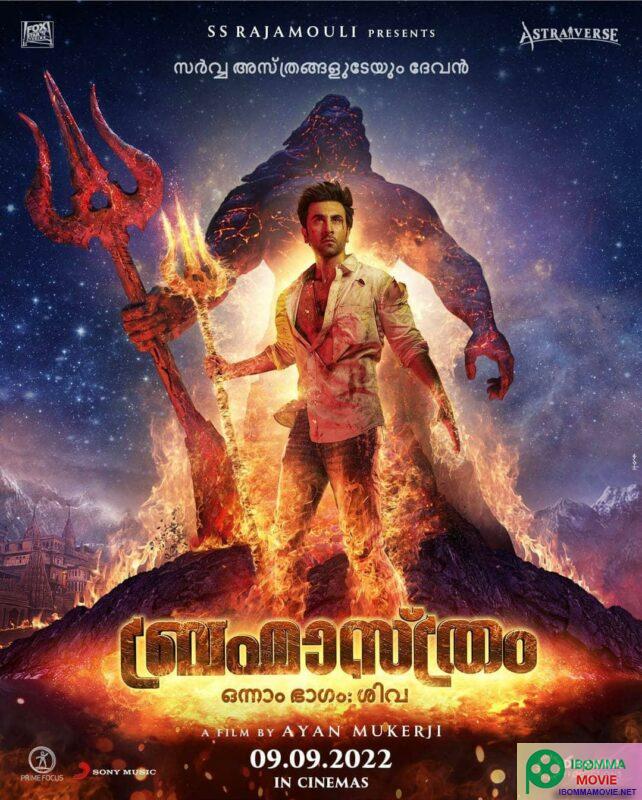
Performance
Ranbir Kapoor delivers a performance that captures the transformation of his character from an ordinary individual into someone burdened with extraordinary responsibility, and while his portrayal leans into a sense of innocence and curiosity in the early stages, it gradually evolves into a more intense and emotionally driven performance as the narrative unfolds, reflecting the internal and external conflicts that define Shiva’s journey. His ability to convey vulnerability adds a layer of relatability that anchors the fantastical elements of the story.
Alia Bhatt brings warmth and emotional grounding to her role, serving as both a companion and a source of strength for the protagonist, and her performance, while at times limited by the writing, contributes to the film’s emotional core, particularly in moments that emphasize connection and support. The chemistry between the two leads plays a crucial role in maintaining the film’s emotional continuity, even as the narrative shifts between spectacle and introspection.
Amitabh Bachchan delivers a commanding performance that adds gravitas to the film, portraying a mentor figure whose presence reinforces the mythological and philosophical aspects of the story, while Mouni Roy stands out as the antagonist, bringing intensity and a sense of menace that enhances the film’s central conflict. Together, the cast contributes to a narrative that, despite its scale, remains rooted in character-driven storytelling.
Direction and Screenplay
Ayan Mukerji’s direction reflects a clear ambition to create a cinematic universe that merges traditional mythology with modern filmmaking techniques, and this vision is evident in the film’s visual design, narrative structure, and thematic exploration, even though the execution occasionally struggles to maintain a consistent balance between its various elements. The screenplay attempts to juggle multiple narrative threads, including character development, world-building, and large-scale action, and while it succeeds in establishing a compelling foundation, it sometimes sacrifices depth for spectacle.
The pacing of the film varies, with certain sections feeling tightly constructed and engaging, while others appear stretched as the narrative takes time to explain its mythology and expand its universe, and this uneven rhythm can occasionally disrupt the flow of the story. However, the film’s visual storytelling compensates for these inconsistencies, as the cinematography and visual effects work together to create a world that is both immersive and visually striking.
The director’s emphasis on creating a cohesive mythological universe is evident in the attention to detail given to the astras and their significance, and this focus adds a layer of depth that hints at the potential for future installments, even if the current film does not fully realize all of its ambitions.
For audiences exploring Brahmastra iBOMMA, the direction and screenplay offer a cinematic experience that is both ambitious and visually engaging, even as it navigates the challenges of balancing spectacle with storytelling.
Music
The music of Brahmastra, composed by Pritam, plays a crucial role in shaping the film’s emotional landscape, with songs and background score that are designed to complement both the grandeur of the visuals and the intimacy of the character-driven moments, and this duality is reflected in the way the music transitions between energetic compositions and more subdued, emotionally resonant pieces that underscore the film’s central relationships.
The background score, in particular, enhances the sense of scale and intensity that defines the film’s action sequences, while also providing a thematic continuity that ties together its various narrative elements, and this careful integration of music into the storytelling ensures that it remains an essential component of the overall cinematic experience rather than a mere addition.
For viewers engaging with Brahmastra iBOMMA or browsing iBOMMA, the music adds depth and emotional resonance, reinforcing the film’s impact and enhancing its immersive quality.
Theme
Brahmastra explores themes of destiny, love, and the interplay between power and responsibility, presenting a narrative that emphasizes the importance of self-discovery and the choices that define one’s identity, and these themes are woven into the fabric of the story, shaping the characters’ journeys and the conflicts they face. The film also delves into the idea of ancient knowledge coexisting with modern life, creating a thematic bridge between tradition and contemporary existence.
The concept of inner strength and the awakening of latent potential serves as a central motif, reflecting the protagonist’s journey as he comes to terms with his abilities and the responsibilities that accompany them, and this exploration adds a philosophical dimension to the narrative, even as it remains rooted in entertainment. The relationships between the characters further reinforce these themes, providing an emotional context that grounds the story in human experience.
For audiences discovering the film through platforms like iBOMMA, these themes contribute to a richer and more meaningful viewing experience, offering both spectacle and substance.
Conclusion
Brahmastra ultimately stands as a bold and ambitious attempt to redefine the scope of Indian fantasy cinema, combining visual spectacle, strong performances, and mythological storytelling into a film that is both entertaining and conceptually intriguing, and while it may not fully achieve all of its goals, it succeeds in laying the groundwork for a larger cinematic universe that holds significant potential for future exploration.
For those searching for Brahmastra iBOMMA, the film offers a visually immersive and emotionally engaging experience that goes beyond conventional action cinema, providing a narrative that is as imaginative as it is ambitious, and this combination of elements ensures that it remains a memorable entry in contemporary filmmaking.
In the end, Brahmastra is not just a film but an exploration of mythology, identity, and the power of storytelling, and it is this ambition that gives it its lasting significance despite its imperfections.