
Article 370 iBOMMA is a politically charged action drama that delves into one of the most significant constitutional decisions in modern Indian history, presenting a narrative that blends realism, tension, and ideological complexity. For viewers searching for Article 370 iBOMMA, Article 370 review, or exploring intense, issue-driven cinema on iBOMMA, this film offers a gripping and thought-provoking experience that extends beyond conventional storytelling. Directed by Aditya Suhas Jambhale and featuring Yami Gautam in a powerful lead role, Article 370 positions itself as both a cinematic thriller and a reflection of geopolitical realities.
What sets Article 370 apart is its commitment to portraying a sensitive subject through a lens that combines dramatization with grounded storytelling, allowing audiences to engage with the complexities of governance, security, and national identity. The film does not merely aim to entertain but also to provoke thought and discussion, making it particularly compelling for those who seek substance in cinema. Whether discovered through Article 370 iBOMMA or while browsing iBOMMA, the film provides a layered and immersive experience that resonates with contemporary audiences.
| Movie | Article 370 |
| Language | Hindi |
| Screen | Theatrical Release |
| Release Date | 2024 |
| Star Cast | Yami Gautam, Priyamani, Arun Govil |
| Genres | Action, Drama, Political |
| Director | Aditya Suhas Jambhale |
| Writer | Aditya Suhas Jambhale |
| Producer | Aditya Dhar |
| Music | Shashwat Sachdev |
| Cinematographer | Siddharth Vasani |
| Editor | Shivkumar V. Panicker |
| Country | India |
Plot
Article 370 unfolds as a tense and politically layered narrative that revolves around the events leading up to the revocation of Article 370, a constitutional provision that granted special status to the region of Jammu and Kashmir, and the film approaches this subject through the lens of intelligence operations, political strategy, and ground-level realities, creating a story that is both intricate and compelling. At the center of the narrative is a determined intelligence officer who is tasked with navigating a highly volatile environment, where every decision carries significant consequences and the margin for error is almost nonexistent.
As the story progresses, the film interweaves multiple perspectives, including those of government officials, security forces, and individuals directly affected by the situation, thereby providing a multifaceted view of the complexities involved, and this approach allows the narrative to explore not only the strategic aspects of the operation but also the human dimensions that often remain overlooked. The tension is built gradually, with each development adding to the sense of urgency and unpredictability that defines the situation.
The film maintains a careful balance between dramatization and realism, ensuring that the narrative remains engaging while still grounded in the realities of the events it portrays, and this balance contributes to a storytelling style that feels both immersive and thought-provoking. The progression toward the climax is marked by a series of carefully orchestrated sequences that highlight the challenges and risks involved in executing such a significant political decision.
For viewers discovering the film through Article 370 iBOMMA or exploring content on iBOMMA, the plot offers a deeply engaging experience that combines tension, realism, and emotional depth.
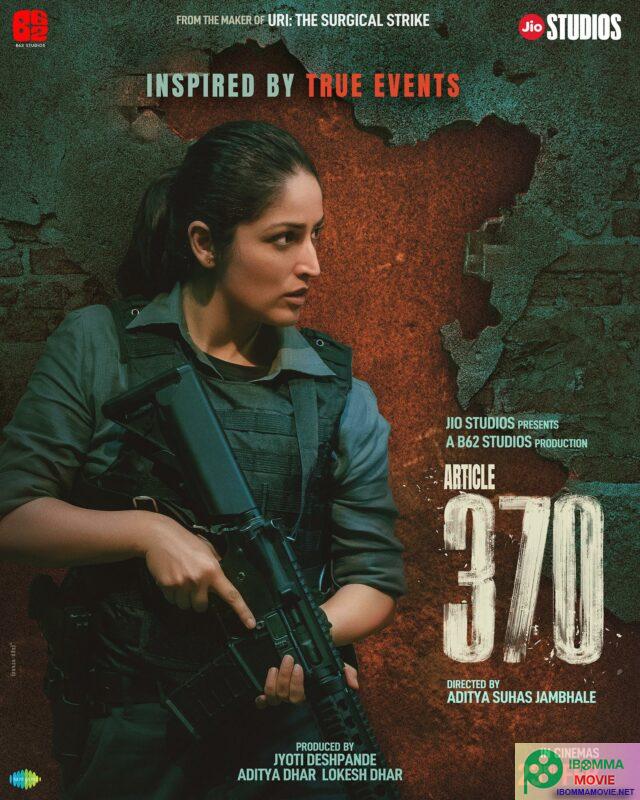
Performance
Yami Gautam delivers a performance that is both intense and nuanced, portraying her character with a level of conviction that anchors the film’s narrative, and her ability to convey determination, vulnerability, and resilience adds depth to a role that could have easily been reduced to a one-dimensional portrayal of authority. Her performance reflects the internal and external pressures faced by her character, making her journey both compelling and relatable within the context of the film.
Priyamani brings a sense of composure and strength to her role, contributing to the film’s exploration of leadership and decision-making, and her performance complements that of Yami Gautam, creating a dynamic that enhances the narrative’s focus on collaboration and strategy. Arun Govil, in his role, adds gravitas to the film, embodying a character whose presence reinforces the political and ideological dimensions of the story.
The supporting cast contributes effectively to the overall narrative, ensuring that the film maintains a sense of authenticity and cohesion, and their performances help to create a believable world in which the story unfolds, further enhancing the film’s impact.
Direction and Screenplay
Aditya Suhas Jambhale’s direction reflects a clear intent to present a story that is both engaging and grounded in reality, and his approach emphasizes a balance between dramatic storytelling and factual representation, resulting in a film that feels both cinematic and informative. The screenplay is structured in a way that allows the narrative to unfold gradually, building tension through a series of interconnected events that highlight the complexity of the situation.
The pacing of the film is deliberate, allowing for a detailed exploration of its themes and characters while maintaining a sense of momentum, and this approach ensures that the audience remains engaged without feeling overwhelmed by the intricacies of the subject matter. The film’s use of visual storytelling, combined with its attention to detail, contributes to a sense of authenticity that enhances its overall impact.
The cinematography plays a crucial role in capturing the atmosphere of the regions depicted, using a combination of wide shots and close-ups to convey both the scale of the events and the personal experiences of the characters, and this visual approach complements the narrative, creating a cohesive and immersive viewing experience.
For audiences exploring Article 370 iBOMMA, the direction and screenplay offer a cinematic experience that is both thoughtful and engaging, demonstrating a commitment to storytelling that goes beyond surface-level entertainment.
Music
The music of Article 370 is subtle yet effective, functioning primarily as a background element that enhances the film’s tone and atmosphere rather than drawing attention to itself, and this restrained approach allows the narrative to take center stage while still benefiting from the emotional support provided by the score. The compositions by Shashwat Sachdev are carefully crafted to align with the film’s themes, adding tension and depth to key moments without overshadowing the storytelling.
The background score plays a particularly important role in maintaining the film’s sense of urgency, using minimalistic yet impactful arrangements to heighten the emotional and dramatic intensity of the scenes, and this approach ensures that the music remains an integral part of the cinematic experience. The absence of overly prominent songs further reinforces the film’s commitment to realism, allowing the narrative to unfold without unnecessary distractions.
For viewers engaging with Article 370 iBOMMA or browsing iBOMMA, the music adds a layer of subtlety and depth that enhances the overall viewing experience.
Theme
Article 370 explores themes of governance, national identity, and the complexities of political decision-making, presenting a narrative that delves into the challenges of implementing policies in a highly sensitive and volatile environment, and the film emphasizes the interplay between strategy and ethics, highlighting the difficult choices that must be made in pursuit of larger objectives. These themes are presented in a manner that encourages reflection, allowing the audience to engage with the subject on a deeper level.
The film also examines the human impact of political decisions, shedding light on the lives of those directly affected by the events depicted, and this perspective adds an emotional dimension to the narrative, ensuring that it remains grounded in real-world experiences. The interplay between personal and political narratives serves to enhance the film’s thematic depth, creating a story that is both compelling and thought-provoking.
For audiences discovering the film through platforms like iBOMMA, these themes contribute to a richer and more meaningful viewing experience, offering insights that extend beyond the confines of the film itself.
Conclusion
Article 370 ultimately succeeds in delivering a cinematic experience that is both engaging and intellectually stimulating, combining strong performances, thoughtful direction, and a compelling narrative to create a film that stands out within the political drama genre, and its ability to balance realism with dramatic storytelling ensures that it resonates with a wide audience while maintaining a sense of authenticity and depth.
For those searching for Article 370 iBOMMA, the film offers a viewing experience that goes beyond conventional entertainment, providing a narrative that is both informative and emotionally impactful, and this combination of elements makes it a noteworthy addition to contemporary cinema.
In the end, Article 370 is not just a film about a political event but a reflection on the complexities of governance and the human stories that unfold within it, leaving a lasting impression on those who engage with its narrative.