
Among modern Indian cinema, few films have managed to create a global cultural wave as powerful as RRR. Directed by visionary filmmaker S. S. Rajamouli, this Telugu-language epic transcends conventional storytelling by blending historical fiction, revolutionary spirit, intense emotions, and breathtaking action into a single cinematic experience. Released to massive anticipation, RRR quickly evolved from a regional blockbuster into an international phenomenon, earning praise from audiences, critics, and filmmakers across the world.
Set during the British colonial era, RRR reimagines the lives of two real-life Indian revolutionaries, transforming them into mythic figures driven by loyalty, sacrifice, and resistance. The film does not merely tell a story; it constructs an emotionally charged universe where friendship becomes destiny and rebellion becomes a moral obligation. With its grand scale, powerful performances, and unforgettable set pieces, RRR stands as a testament to the storytelling ambition of Indian cinema.
This review explores RRR in depth by examining its plot construction, performances, direction and screenplay, music, thematic depth, and overall impact. Each element contributes to why RRR is not just a film, but a cinematic event.
| Attribute | Details |
|---|---|
| Movie | RRR |
| Language | Telugu, Hindi, Tamil, Malayalam, Kannada |
| Screen | 2D |
| Release Date | 2022 |
| Star Cast | N. T. Rama Rao Jr., Ram Charan, Alia Bhatt, Ajay Devgn |
| Genres | Action, Drama, Historical Fiction |
| Director | S. S. Rajamouli |
| Writer | Vijayendra Prasad |
| Producer | D. V. V. Danayya |
| Music | M. M. Keeravani |
| Cinematographer | K. K. Senthil Kumar |
| Editor | A. Sreekar Prasad |
| Country | India |
Plot
The plot of RRR is a bold fictional reimagining of history, weaving together the lives of two legendary revolutionaries—Alluri Sitarama Raju and Komaram Bheem—into a narrative driven by fate and friendship. The story begins by introducing the two protagonists separately, each operating under different circumstances and ideologies. One is a fierce tribal protector searching for justice, while the other is an elite officer working within the colonial system, concealing his true intentions.
As their paths collide, the film carefully builds a bond rooted in mutual respect, admiration, and emotional connection. This friendship becomes the heart of the story, making the eventual conflict between duty and loyalty deeply impactful. The narrative structure balances personal drama with large-scale action, ensuring that emotional stakes remain high even during the most extravagant sequences.
Rajamouli’s storytelling thrives on escalation. Every act raises the intensity, introducing moral dilemmas, betrayals, and revelations that redefine the characters’ motivations. Despite its lengthy runtime, the plot rarely loses momentum, largely due to its disciplined pacing and clear narrative focus. The fictional liberties taken enhance rather than diminish the historical resonance, allowing RRR to operate as a mythic tale of resistance rather than a conventional biopic.
Performance
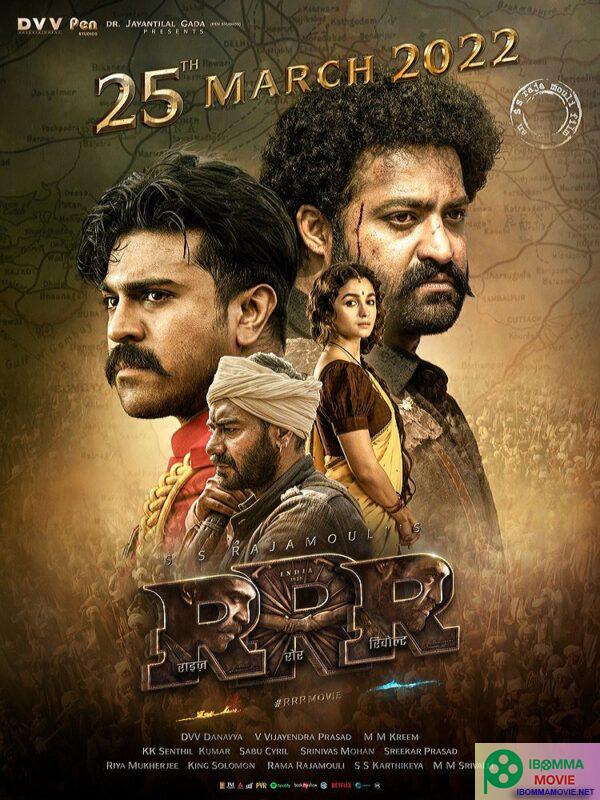
Performances are one of RRR’s greatest strengths, with N. T. Rama Rao Jr. and Ram Charan delivering career-defining portrayals. Their chemistry is the emotional backbone of the film, making the friendship feel authentic and emotionally charged. NTR Jr. brings raw intensity and vulnerability to his role, seamlessly transitioning between explosive rage and quiet compassion.
Ram Charan’s performance is equally compelling, particularly in the way he conveys internal conflict through subtle expressions and restrained physicality. His character’s journey from obedience to awakening is portrayed with nuance and emotional clarity. Together, the two actors elevate the narrative, ensuring that the spectacle never overshadows character development.
Supporting performances further enrich the film. Alia Bhatt, though limited in screen time, adds emotional depth, while Ajay Devgn’s appearance lends gravitas and symbolic weight. Each actor contributes meaningfully, making the ensemble feel purposeful rather than decorative.
Direction and Screenplay
S. S. Rajamouli’s direction in RRR is nothing short of masterful. Known for his grand vision, he once again proves his ability to blend technical excellence with emotional storytelling. The screenplay, crafted with precision, ensures that every major action sequence serves narrative and character progression rather than existing as mere spectacle.
Rajamouli’s command over scale is evident in how he stages action scenes that feel both massive and personal. The screenplay carefully plants emotional beats early on, allowing later confrontations to resonate with greater intensity. Dialogue is purposeful and impactful, often carrying ideological weight without becoming preachy.
The director’s confidence allows the film to embrace its mythological tone fully. Rather than aiming for realism, RRR leans into symbolism and heightened drama, resulting in a cinematic language that feels operatic yet grounded in emotion.
Music
M. M. Keeravani’s music plays a crucial role in shaping the emotional and rhythmic flow of RRR. The background score enhances tension, amplifies heroism, and underscores moments of sacrifice with remarkable sensitivity. Each theme is carefully aligned with character arcs, reinforcing emotional continuity.
The film’s songs are not mere interludes but narrative devices that deepen characterization and cultural context. From energetic dance numbers to soul-stirring anthems, the music adds texture and memorability. The global popularity of the soundtrack speaks to its universal appeal.
Keeravani’s orchestration blends traditional elements with modern cinematic scoring, creating a soundscape that feels timeless yet contemporary. The music remains impactful long after the film ends, cementing its place as one of RRR’s defining elements.
Theme
At its core, RRR explores themes of friendship, sacrifice, freedom, and identity. The film portrays revolution not merely as political resistance but as a deeply personal act driven by love and moral conviction. Friendship becomes a transformative force, capable of reshaping destiny.
The theme of duality runs throughout the narrative, particularly in the contrast between loyalty to authority and loyalty to conscience. This internal struggle adds philosophical depth, inviting viewers to reflect on the cost of freedom and the courage required to pursue it.
RRR also celebrates cultural pride and collective strength, framing resistance as a shared responsibility. These themes resonate universally, contributing to the film’s global success.
Conclusion
RRR is more than a blockbuster; it is a cinematic statement that redefines the possibilities of Indian filmmaking. Through its powerful storytelling, unforgettable performances, visionary direction, and emotional depth, the film achieves a rare balance between spectacle and substance.
While its larger-than-life approach may not appeal to all viewers, those willing to embrace its mythic tone will find a deeply rewarding experience. RRR stands as a celebration of courage, friendship, and artistic ambition.
In the landscape of modern cinema, RRR will be remembered as a film that dared to dream big—and succeeded.